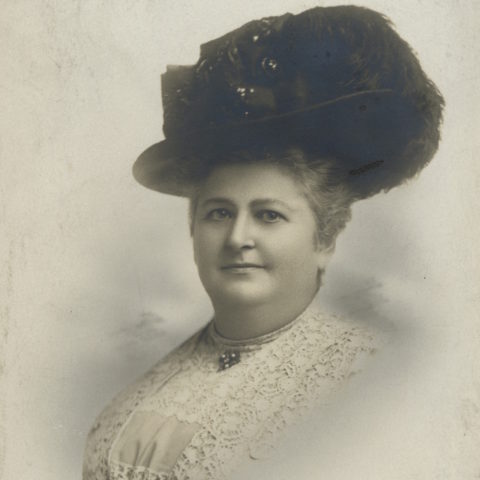
Elizabeth “Lizzie” Black Kander

The first generation of women—mostly white and middle- or upper-class—to graduate from college in large numbers left school full of promise and enthusiasm, but were largely denied employment in medicine, law, or business. Rejected by the professional world, many focused their energies…

Read More
0 Comments
Read more about the article Roots of Milwaukee’s Settlement House
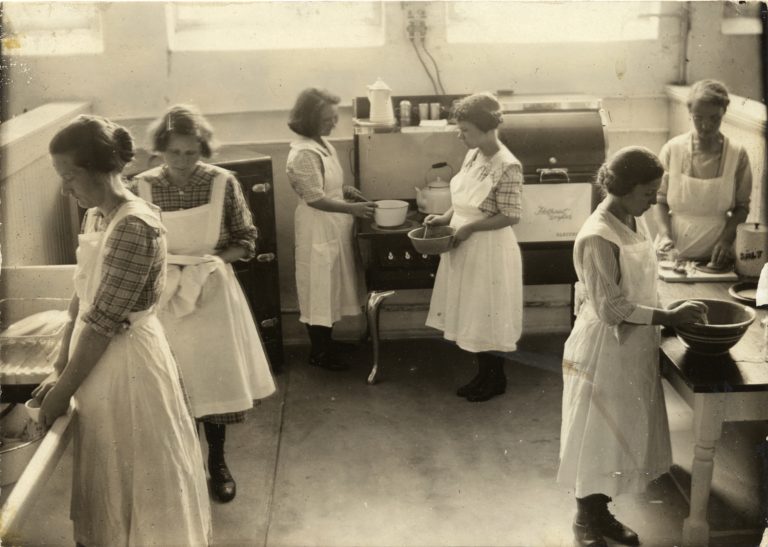
Northern Wisconsin Center Home Economics Class, c. 1930. Image courtesy of Wisconsin Historical Society, ID: 99239

Roots of Milwaukee’s Settlement House

By 1890, the majority of Milwaukee’s Russian and Polish Jews lived in the city’s Second Ward, also known as the Haymarket District. Lizzie Black Kander worked as a truancy officer from 1890 to 1893, which gave her a front-row view of conditions…

Read More
0 Comments
Read more about the article Fashion and Fur
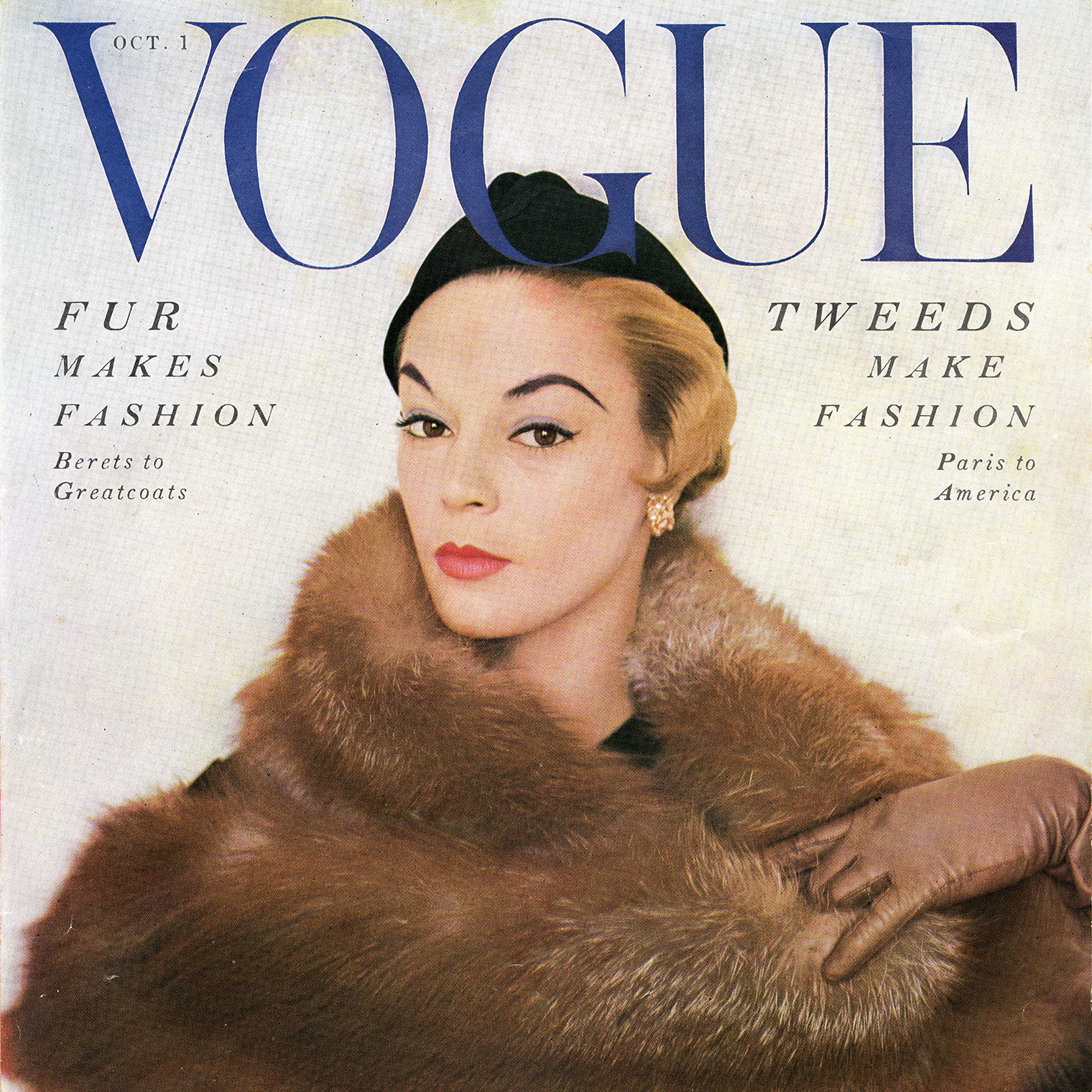
The history of fur and fashion runs deep in North America. October 1953 issue of Vogue.

Fashion and Fur

The End of the Old Fur TradeThe development of fur farms at the close of the 19th century was perhaps the most revolutionary change in North America’s fur industry, and fashion played a significant role in that change. Beaver pelts had been the…

Read More
0 Comments
Read more about the article The Father of Malted Milk
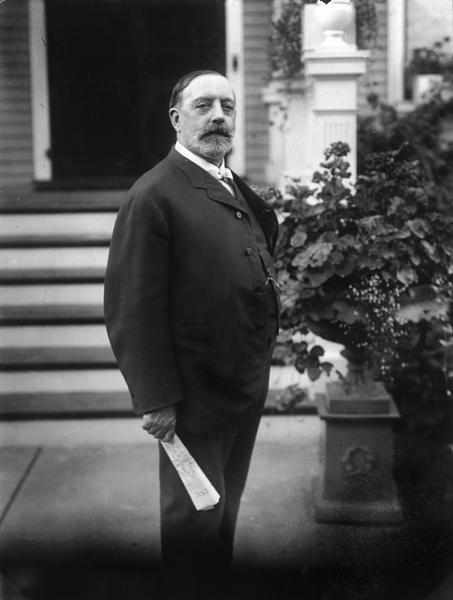
William Horlick, the father of malted milk, in Racine, Wisconsin, c. 1910. Photograph courtesy of the Wisconsin Historical Society, Image ID: 23698

The Father of Malted Milk

William Horlick was born on February 23, 1846 to James and Priscilla Horlick in the village of Ruardean, Gloucestershire, England. In 1869, William made his first voyage to the United States to visit his distant uncle, Joseph A. Horlick of Racine, Wisconsin.…

Read More
0 Comments

The Stout Institute and Educational Innovation

Wilson Place Mansion in Menomonie, Wisconsin, was once the home of James Huff Stout (1848-1910), a lumber baron, longtime state senator, and philanthropist. He is best known for founding the Stout Institute, now the University of Wisconsin-Stout. According to local tradition, Stout…

Read More
Comments Off on The Stout Institute and Educational Innovation
Read more about the article The Lumber Industry in Northern Wisconsin
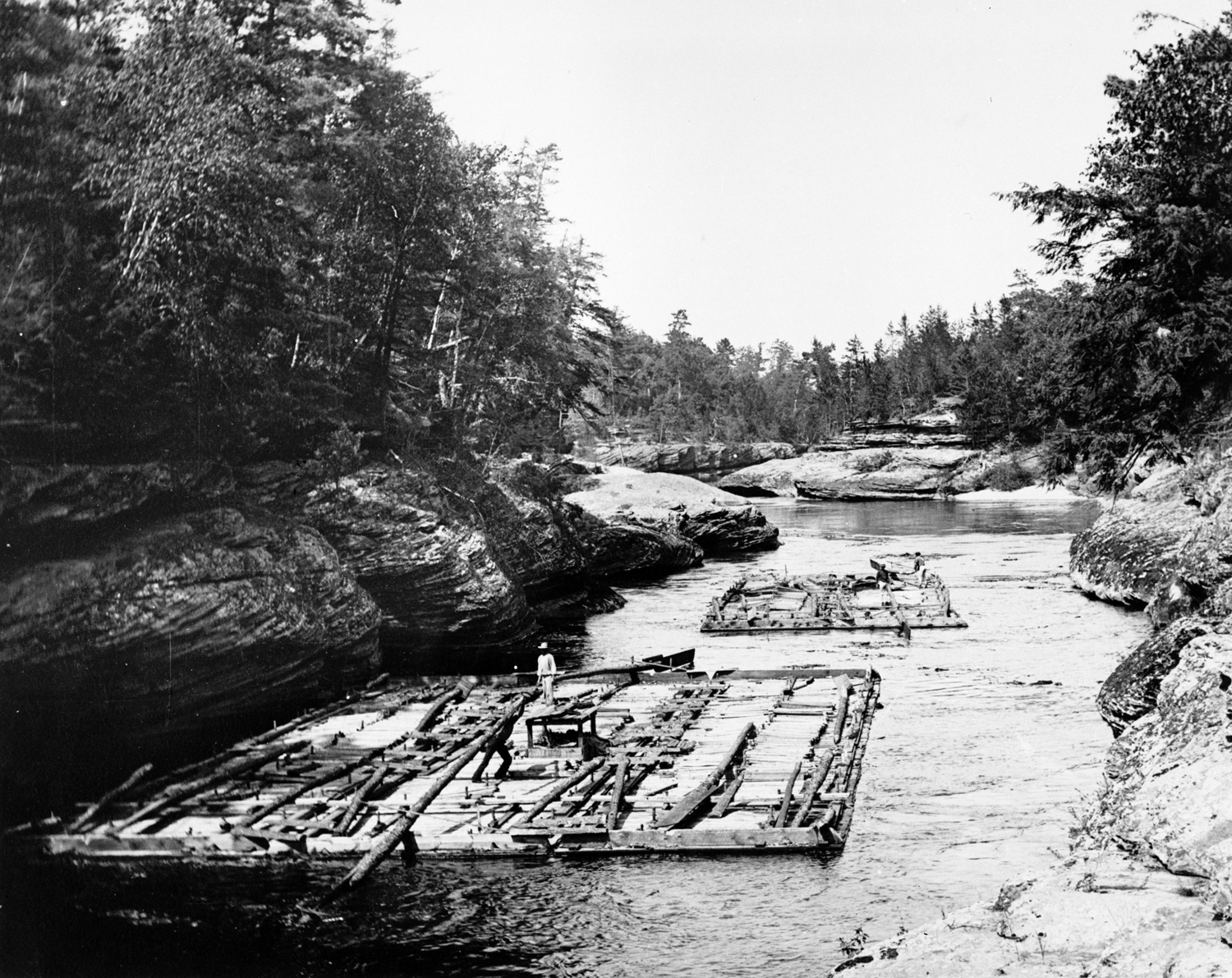
Lumber rafts on the Wisconsin River near the Wisconsin Dells, c. 1886. Photograph by H.H. Bennett, courtesy of the Wisconsin Historical Society, Image ID 6314.

The Lumber Industry in Northern Wisconsin

Prior to the Civil War, most of northern Wisconsin was inhabited by the Menominee and Ojibwe Indians and transient fur traders of European origin. Demand for wood in Chicago and Milwaukee after the Civil War brought lumbermen to the north woods. Initially,…

Read More
0 Comments

End of content

No more pages to load