Read more about the article The Lumber Industry in Northern Wisconsin
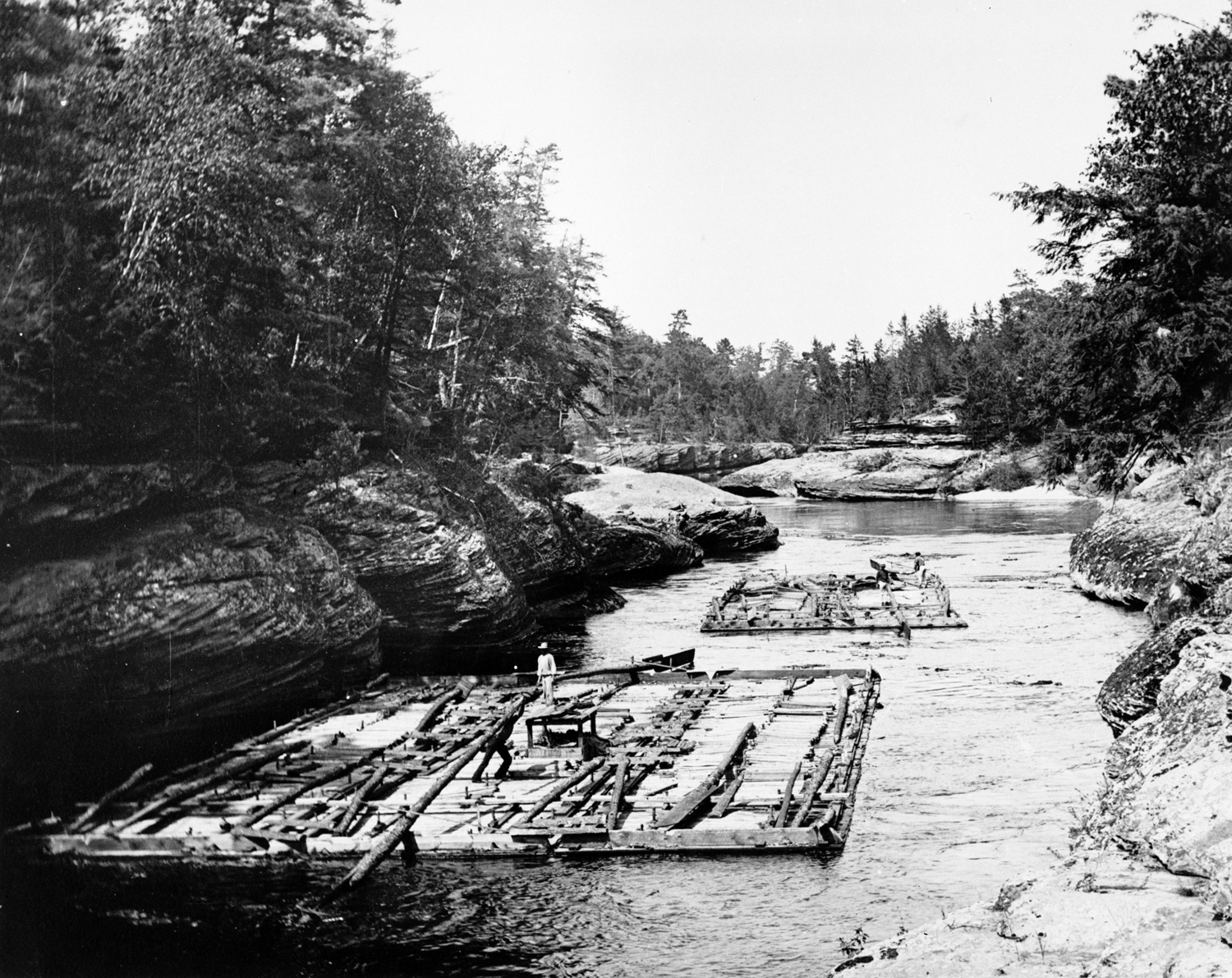
Lumber rafts on the Wisconsin River near the Wisconsin Dells, c. 1886. Photograph by H.H. Bennett, courtesy of the Wisconsin Historical Society, Image ID 6314.

The Lumber Industry in Northern Wisconsin

Prior to the Civil War, most of northern Wisconsin was inhabited by the Menominee and Ojibwe Indians and transient fur traders of European origin. Demand for wood in Chicago and Milwaukee after the Civil War brought lumbermen to the north woods. Initially,…

Read More
0 Comments
Read more about the article The Vulcan Corporation
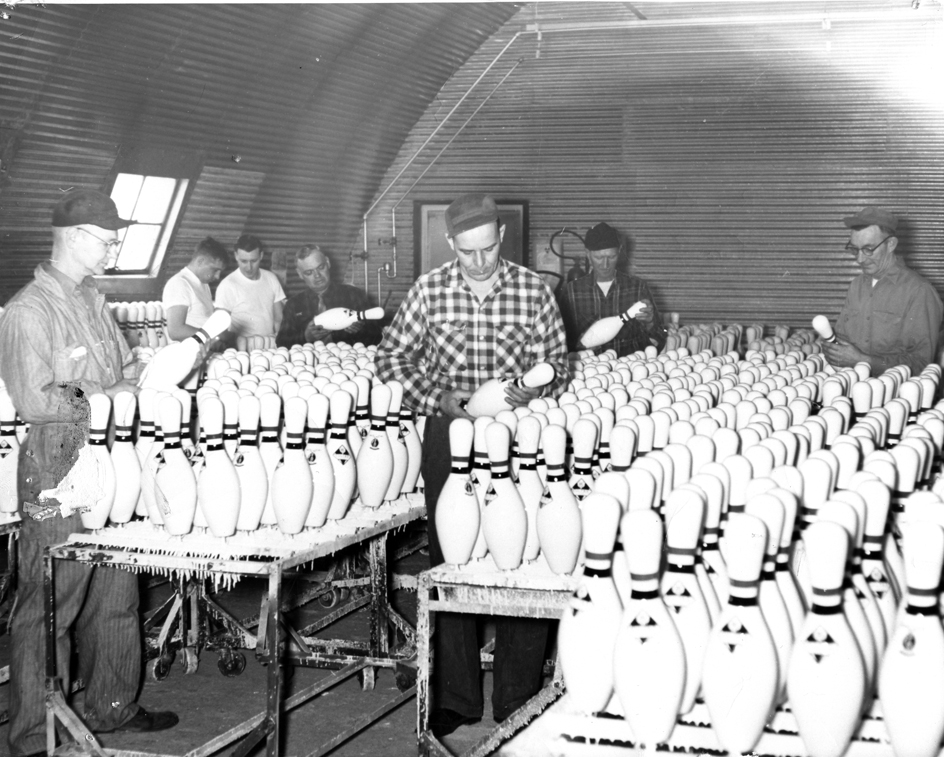
Inspecting pins coming off the Vulcan assembly line, 1954. Photograph courtesy of the Langlade County Historical Society.

The Vulcan Corporation

The Vulcan Corporation was founded in 1909 in Ohio as a manufacturer of wooden shoe lasts. The business really took off once they developed a new shoe last turning lathe. In 1919, Vulcan started a plant in Crandon, Wisconsin, which made “rough-turned”—or unfinished—lasts.…

Read More
Comments Off on The Vulcan Corporation
Read more about the article The Civilian Conservation Corps
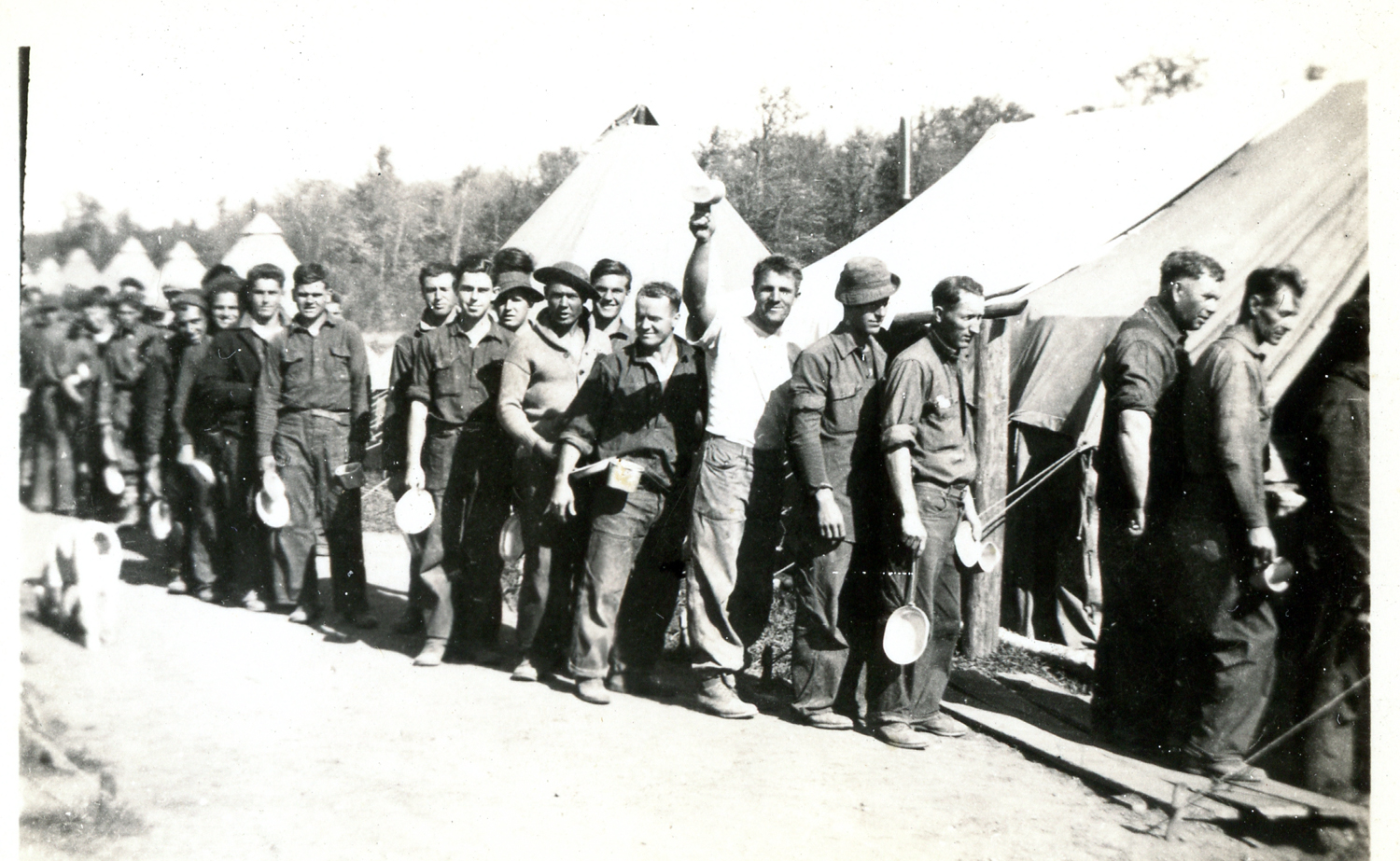
Civilian Conservation Corps recruits in line for the mess hall at Camp 657’s temporary location near Summit Lake, Wisconsin, c. 1933. Photograph courtesy of the Langlade County Historical Society.

The Civilian Conservation Corps

In 1933, with nearly a quarter of the civilian labor force unemployed, newly inaugurated President Franklin Delano Roosevelt initiated the Civilian Conservation Corps (CCC), a cornerstone effort in his New Deal program.Under the direction of several governmental departments, including the Department of…

Read More
0 Comments
Read more about the article Daily Life in the Civilian Conservation Corps
Civilian Conservation Corps Camp 657 temporary barracks at Summit Lake, WI, c. 1933. Photograph courtesy of the Langlade County Historical Society.

Daily Life in the Civilian Conservation Corps

The young men who lived and worked at Camp 657 were typical of Civilian Conservation Corps enrollees throughout the country during the 1930s. The first enrollees were between 18 and 25 years of age, were unmarried and physically fit, and were willing to allot most of their earnings to their families. In 1937, with the CCC’s popularity growing, Congress expanded the age range to 17 to 28 and later extended enrollment to World War I veterans.

Read More
0 Comments
Read more about the article The Great Depression in Langlade County
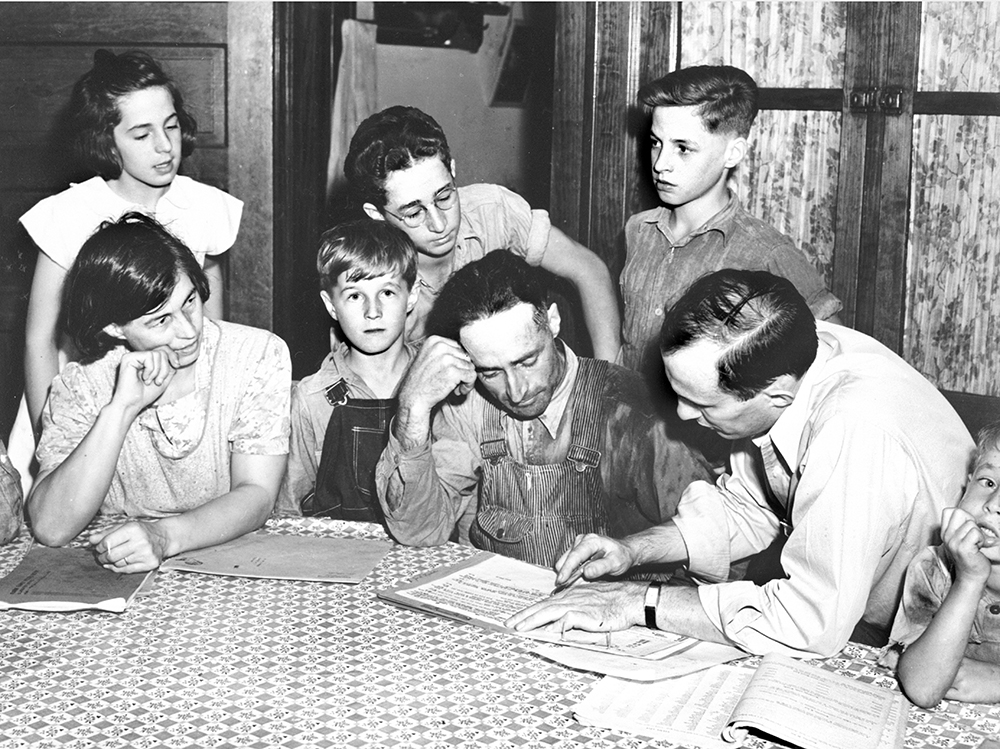
Farm Security Administration (FSA) county supervisor reviewing a farm plan with a Wisconsin farmer and his family. Photograph by John Vachon, September 1939, courtesy of the Wisconsin Historical Society, Image ID 25048.

The Great Depression in Langlade County

While local governments across the United States struggled to deal with the sharp economic downturn in the first years of the 1930s, Langlade County initially found itself in an enviable position at the onset of the Great Depression.The county, with a total…

Read More
0 Comments
Read more about the article Whitefish Bay Urbanization
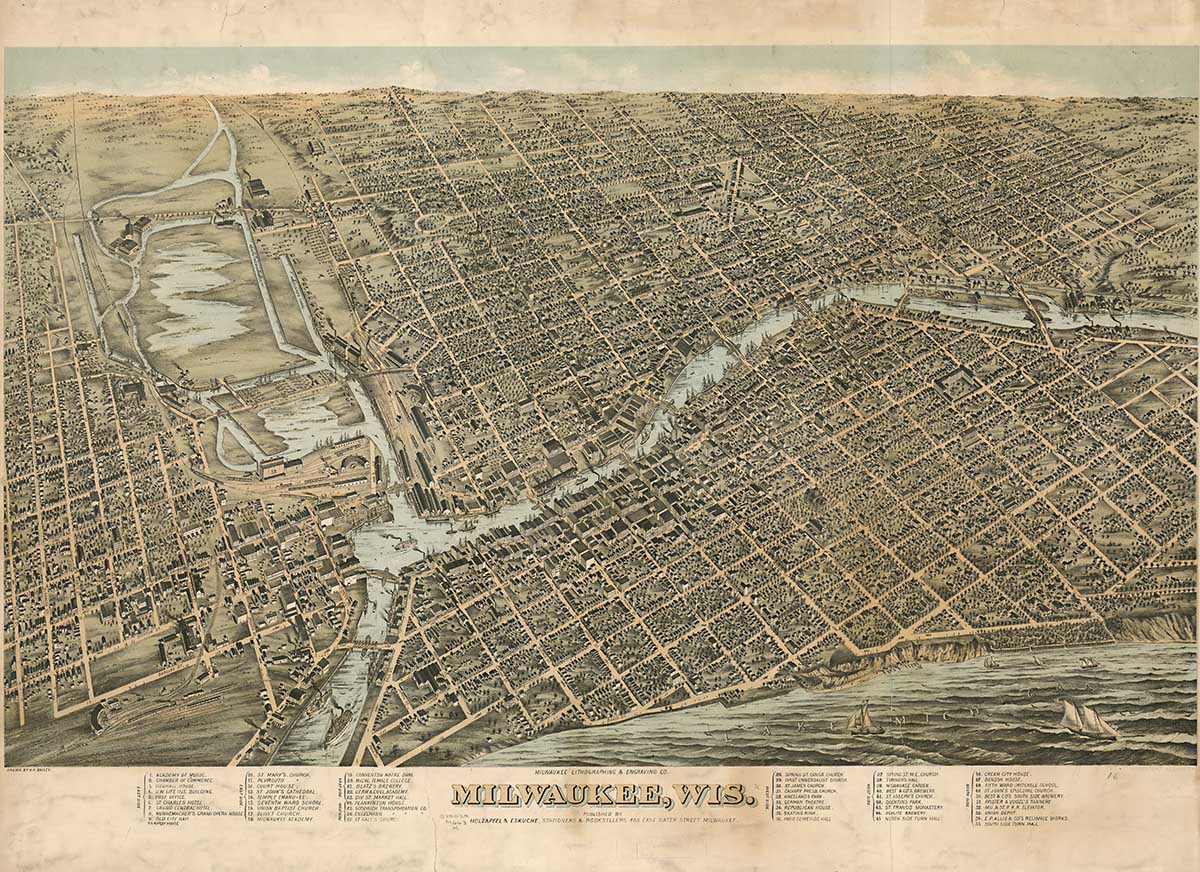
Milwaukee, 1872 (Image courtesy of the Wisconsin Historical Society).

Whitefish Bay Urbanization

In the late 1800s, meatpacking, wheat processing and brewing industrialization boomed in Milwaukee. This increase of manufacturing attracted workers from all over the country to move to Milwaukee. In fact, from 1870-1900, Milwaukee’s population quadrupled. Milwaukee's housing infrastructure couldn't support this drastic…

Read More
0 Comments

End of content

No more pages to load