Read more about the article OBJECT HISTORY: Lapham Peak Observation Tower
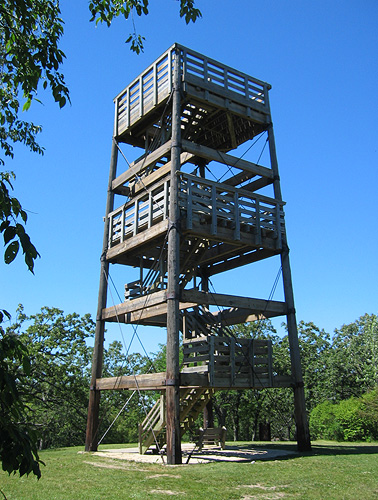
Lapham Peak Observation Tower. Photo credit: Cole Roecker.

OBJECT HISTORY: Lapham Peak Observation Tower

At first glance, you might recognize this iconic Southeastern Wisconsin tower. Yet, under its wooden beams lies a rich foundation of Wisconsin’s history, including one of the state’s first scientists and a state agency responsible for construction works you probably use everyday.…

Read More
0 Comments

OBJECT HISTORY: James D. Williams’ Windlass

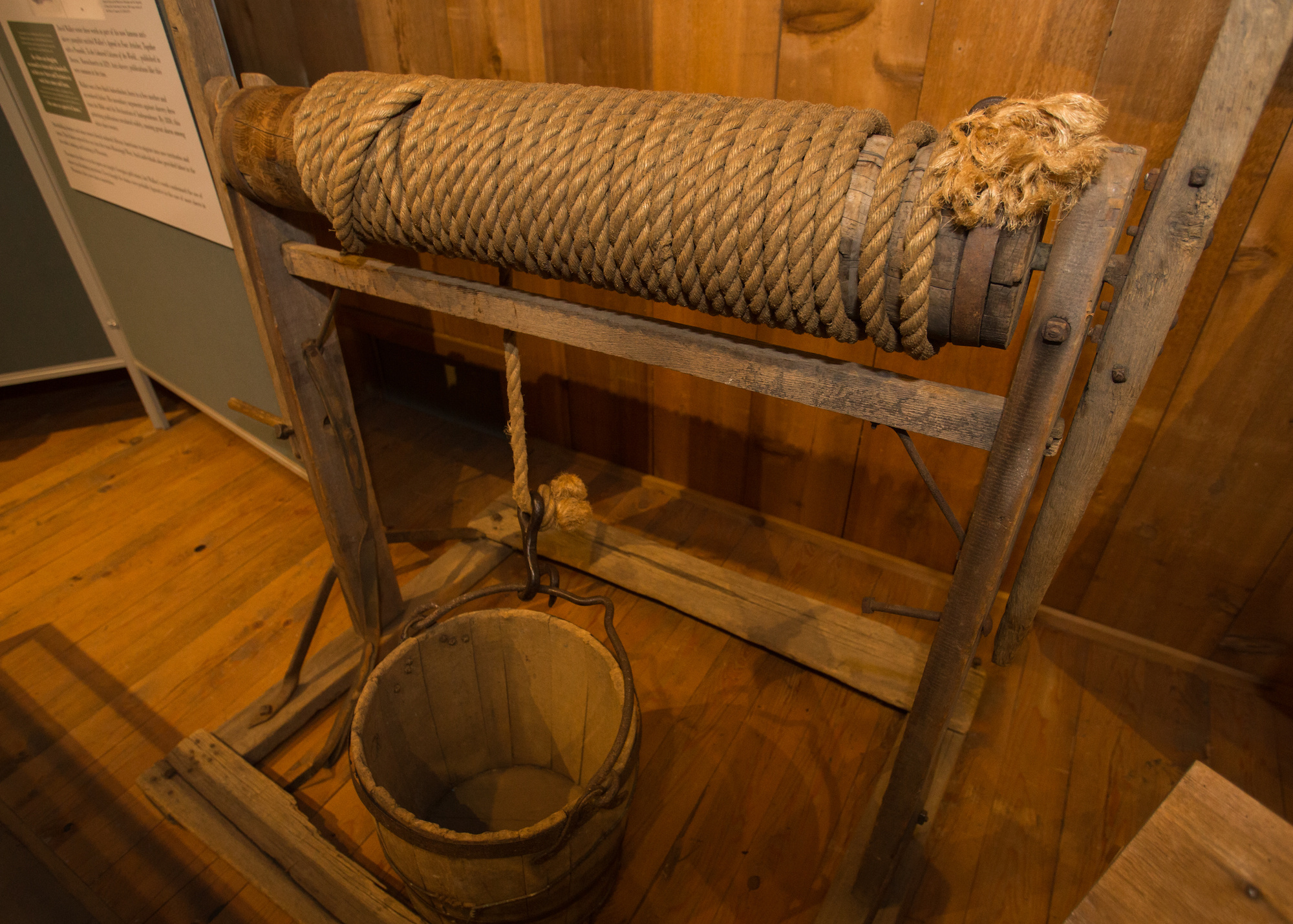
This is a machine used to lower and raise miners and materials through mine shafts in the lead mining region around Platteville, Wisconsin. Made from wooden supports with a wooden barrel shaft and crank attached to a rope with a bucket, a…

Read More
0 Comments

OBJECT HISTORY: Galena

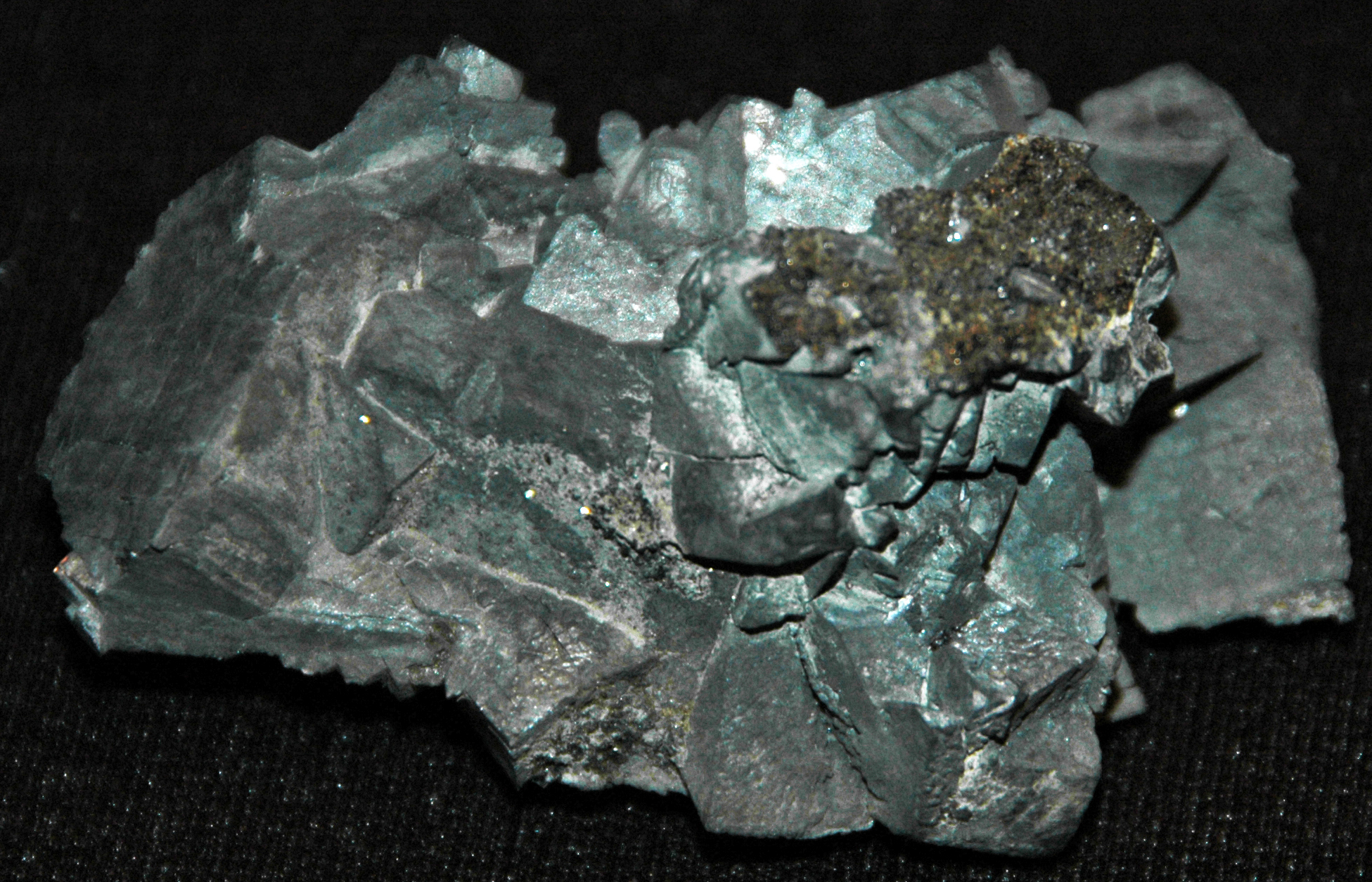
Galena, the official state mineral of Wisconsin, is the raw material used to produce lead. During the Wisconsin “lead rush” of the 1820s-40s, lead was more valuable than gold. That is because just about everybody, rich or poor, used objects made of lead in their daily lives ­­– products that ranged from plumbing to toothpaste!…

Read More
0 Comments

OBJECT HISTORY: The Muley Sawmill

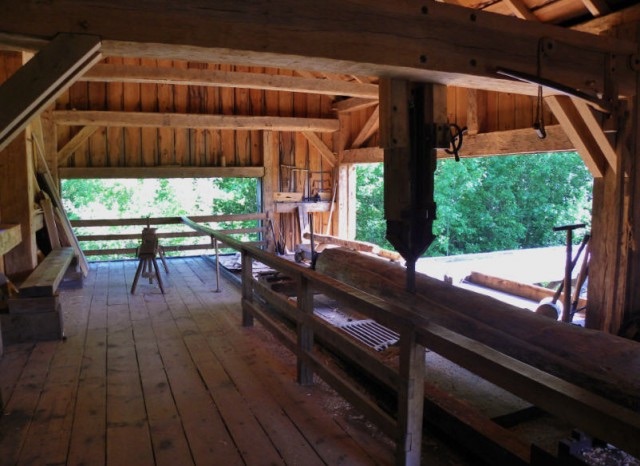
If you grew up in Wisconsin, you may be familiar with some of Wisconsin’s forests like the Black River forest, Menominee forest, or the Chequamegon-Nicolet forest. For hundreds of years these forests have provided Wisconsin with lumber used for building homes, factories,…

Read More
0 Comments

OBJECT HISTORY: The Hefty-Blum White Barn

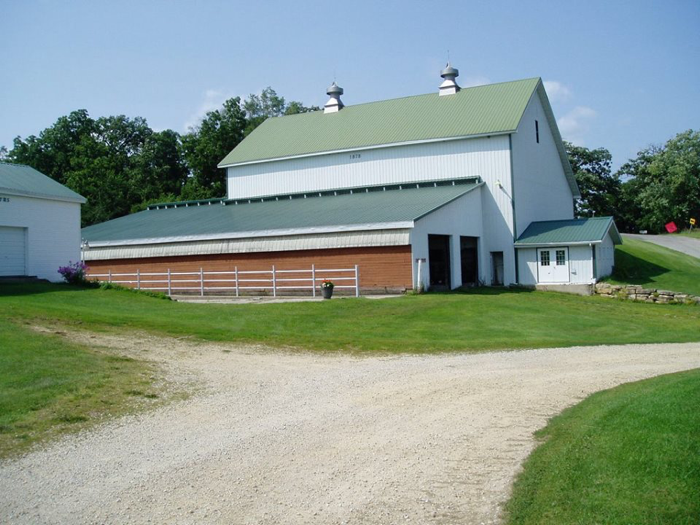
Barns are a defining feature of the Wisconsin landscape, and hold a special place in the history of Wisconsin. Among the many barns that contributed to Wisconsin’s place as a major dairy producing state is a Swiss barn that was built in 1878 in Green County. This barn, the Hefty-Blum White Barn, was used to…

Read More
0 Comments

Migrant Workers and the Bond Pickle Company

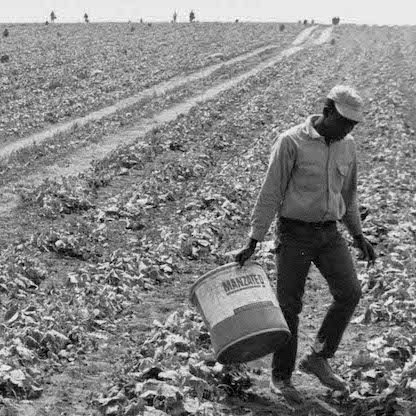
The Bond Pickle Company of Oconto, Wisconsin was founded in 1915 by five brothers. The Bond brothers quickly developed the firm, by 1917 acquiring 10 “salting stations” where the cucumbers were received from local farmers and a processing factory on West Main Street in…

Read More
0 Comments

End of content

No more pages to load